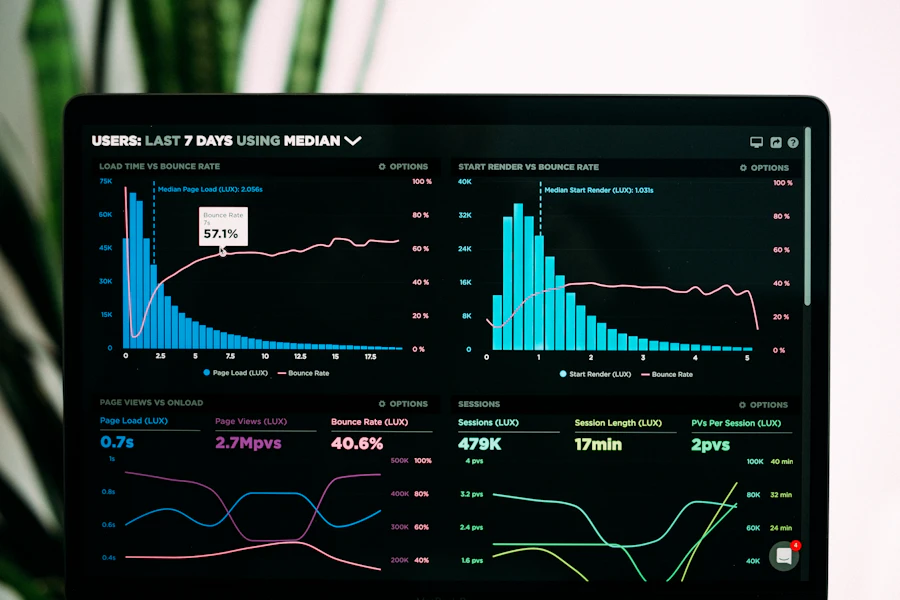
Speed is not just a technical vanity metric; it is an existential business driver. When enterprise executives click on your advertisement or search result, you have less than two seconds to establish visual credibility before they hit the back button.
The Holy Trinity of Core Web Vitals
Google evaluates website performance through three standardized user experience metrics:
- Largest Contentful Paint (LCP): Measures perceived loading speed. Marks the point when the page’s main content has rendered. Target: < 2.5 seconds (we target < 800ms).
- Interaction to Next Paint (INP): Evaluates page responsiveness to user inputs (clicks, taps, keypresses). Target: < 200 milliseconds.
- Cumulative Layout Shift (CLS): Quantifies visual stability by measuring unexpected layout jumps during page load. Target: < 0.1 (we target 0.00).
Tactical Engineering Optimizations
1. Preload Hero Assets with Fetch Priority
Ensure that your primary hero visual or logo is discovered by the browser preload scanner immediately:
<link rel="preload" as="image" href="/hero.webp" fetchpriority="high" type="image/webp">2. Zero-Shift Typography Architecture
Layout shifts are frequently triggered by web fonts swapping in after system fonts render with different line heights. By setting explicit size-adjust, ascent-override, and descent-override descriptors on your fallback fonts, text re-renders with zero physical movement.
3. Eliminating Main Thread Blockers for Perfect INP
Break long JavaScript tasks into smaller chunks using requestIdleCallback or scheduler.yield(). This ensures that when a visitor clicks an interactive filter or dropdown menu, the browser responds instantaneously.